Storytelling makes the difference between people tuning out… or coming along for the journey.
Published May 21, 2025, J. Patrick Power
They Used to Call Me a Storyteller (I Didn’t Realize It Was a Compliment)
For a long time, when people called me a storyteller, I didn’t take it the right way. It felt like a subtle dig—like I was talking too much or going off-track while everyone else was just trying to stick to the facts. I’d hear it and think, Okay, maybe I should tighten things up a bit. So I tried. I focused on the details, stuck to the slide deck, cut out the metaphors.
But something was missing.
People didn’t seem as engaged. They didn’t light up the way they used to when I explained something through a story or an example. And over time, I realized what I had been doing naturally—connecting ideas through stories, making complicated things easier to understand, pulling people in—was actually one of my strongest skills. Maybe even the skill that made me a better leader.
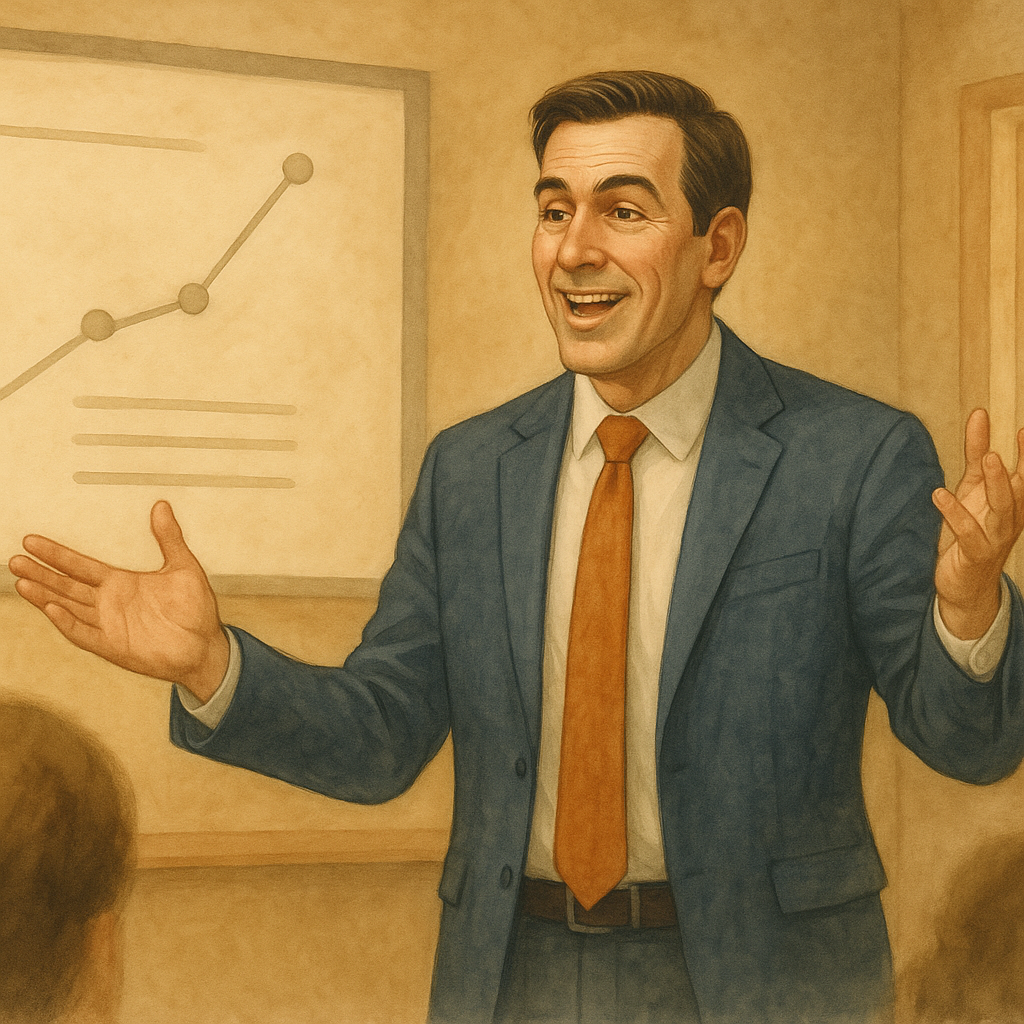
If you’ve ever sat in a meeting or presentation where the speaker was stuck in “full geek mode,” you know what I mean. Endless detail, walls of text, jargon for days. It’s not just boring—it’s impossible to follow. And even worse is the presentation that’s flat-out lifeless, where even important things sound unimportant. You leave that room having learned… nothing.
But tell a story? Now you’ve got people leaning in. Listening. Caring.
That’s what storytelling does—it grabs attention, builds connection, and makes things stick. Especially when you’re leading others through something hard, complicated, or brand new. Stories help people see the idea, not just hear it. They make people feel like they’re part of it.
And that’s why I’ve come full circle. What used to feel like a bad habit, I now see as a leadership superpower. Storytelling helps me explain the unfamiliar in a way people get. It turns dry information into something meaningful. It gets people excited. It builds buy-in. And at the end of the day, people remember stories. Not charts. Not frameworks. Stories.
So now when someone calls me a storyteller, I say thank you. It’s not a weakness—it’s a strength I’ve come to lean into. And if you’ve been told the same thing? Maybe it’s not something to “fix.” Maybe it’s the thing that sets you apart.
Because in leadership, in change, in complexity—storytelling is often the difference between people tuning out… and actually coming along for the journey.
And that’s the whole point, isn’t it?
Back to previous page