Why You Shouldn’t Always Listen to Your Inner Monologue
Published Apr 3, 2025, J. Patrick Power
The Voice in Your Head
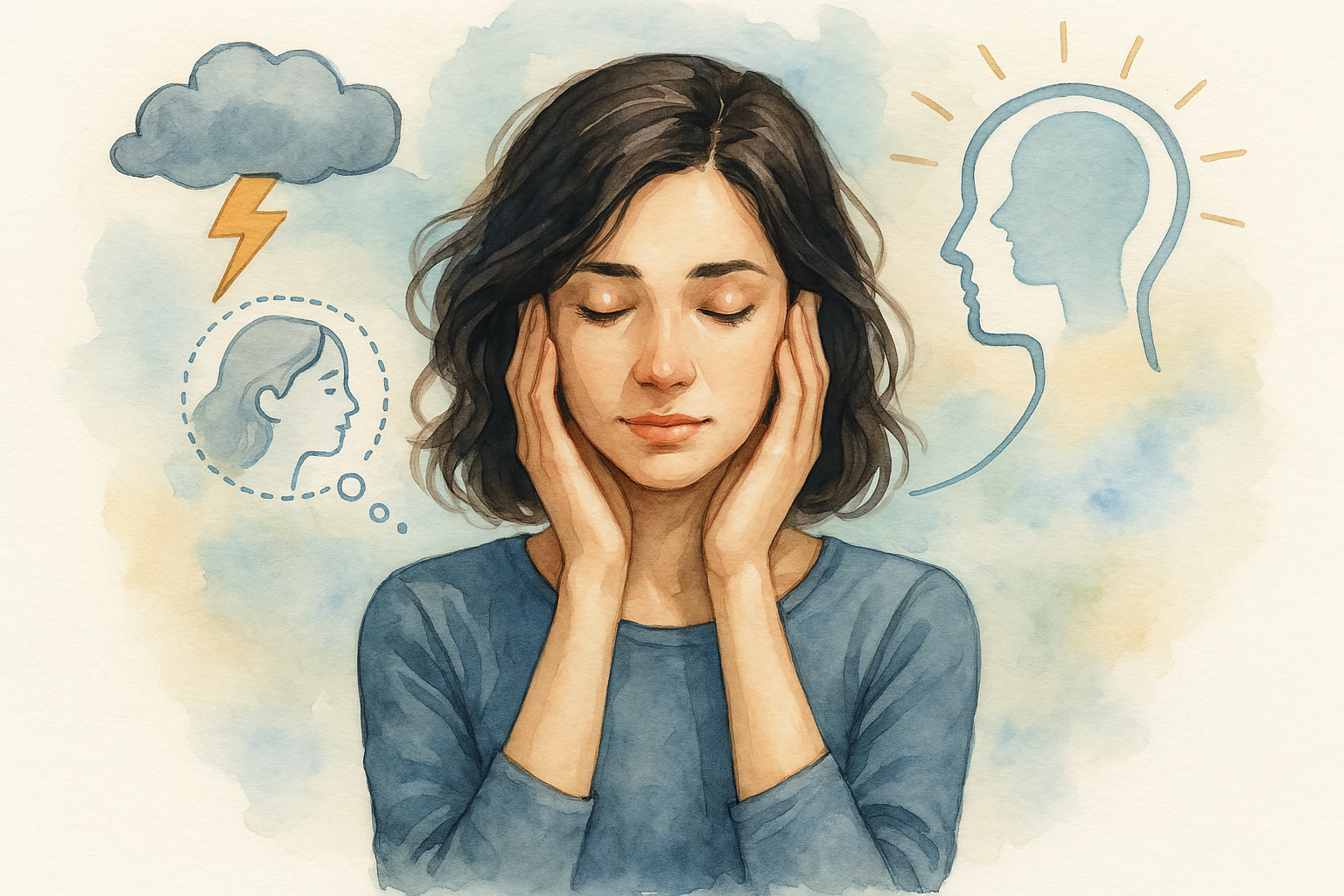
There’s a voice in your head. You know the one — the constant narration that critiques, second-guesses, predicts worst-case scenarios, and reminds you of every unfinished task or awkward moment. It’s not just you; we all have it. But here’s the thing: that voice isn’t always your friend. In fact, if left unchecked, it can be one of the biggest saboteurs of your peace of mind, productivity, and even your joy.
A One-Sided Conversation
The voice in your head has a curious bias: it’s far more interested in your fears than your joy. It fixates on what might go wrong, what you haven’t done, or what someone might think about you. It replays mistakes, magnifies insecurities, and questions your abilities. But when something goes right? When someone shows you kindness, or you accomplish something meaningful? That voice often skips over it or shrugs it off as not good enough.
This selective attention creates a skewed reality — a version of your life that’s defined by problems, pressure, and self-doubt. The positive, life-giving thoughts are like guests at a party the voice in your head refuses to let in.
An Echo Chamber for Anxiety
Left to its own devices, that inner voice doesn’t just reflect your concerns — it amplifies them. What starts as a passing worry becomes a repetitive loop. One negative thought spawns another, and suddenly you’re spiraling through worst-case scenarios that may never happen.
This echo chamber effect creates a sense of urgency and unease that doesn’t match the actual circumstances. It builds mountains out of molehills and traps you in cycles of overthinking. The result? Heightened anxiety, chronic stress, and a tendency to view even the smallest setbacks as catastrophic.
All Problems, No Solutions
Perhaps most frustratingly, the voice in your head isn’t a problem-solver — it’s a problem-obsesser. It rarely offers fresh insight or clarity. Instead, it circles the same issue over and over, like a washing machine stuck in a rinse cycle. And while it may feel like you’re “working through it,” you’re actually stuck.
This mental noise creates blockers to creative thinking and problem-solving. Solutions often arise from calm, open, reflective states — not from anxious loops. But the inner monologue keeps the volume high, crowding out the mental space you need to actually move forward
Tuning Out to Tune In
Silencing the voice isn’t the goal — after all, it’s part of you. But recognizing its patterns and learning not to take it at face value is essential. Meditation, journaling, therapy, or even just naming the voice (“Oh, that’s my ‘Worried Narrator’ again”) can create space between you and the mental noise.
By interrupting the loop, you make room for new perspectives. For joy. For possibility. For solutions. And you start to remember that you’re not just the voice in your head — you’re the one who hears it, questions it, and chooses whether or not to believe it.
Let the voice speak. Just don’t let it rule.
Back to previous page